
Resources and guidance for accommodation and food services
Note: Although some guidance material was prepared by previous departments and divisions, the content is still valid.

Note: Although some guidance material was prepared by previous departments and divisions, the content is still valid.
The food services industry includes businesses that provide short-term accommodation including hotels, motels and camping grounds, as well as food and drink services, such as restaurants, cafes, and pubs.
The Work Health and Safety (General) Regulations 2022 require workers to complete an approved training course before commencing tilt-up or precast concrete construction or manufacture. Workers who have not previously completed an approved training course must be deemed competent under CPCCCM1016A Identify requirements for safe tilt-up work.
Workers who have previously completed one of the following courses:
Health and safety committees provide a forum for consulting on health and safety management across the workplace. They allow businesses to work together with workers on health and safety matters.
Welcome to WorkSafe, a part of the Department of Local Government, Industry Regulation and Safety. WorkSafe administers the Work Health and Safety Act 2020 (WHS Act) and Dangerous Goods Safety Act 2004 (DGS Act).
For information about WorkSafe’s leadership team, visit the SafetyLine hub.
WorkSafe's health and safety services are available from 8.00 am to 5.00 pm, Monday to Friday. The incident reporting number is available 24 hours a day, 7 days a week.
Workers are likely to be exposed to more than one type of psychosocial hazard or risk at any one time. Psychosocial hazards and risk factors interact with each other so they should not be considered in isolation.
As you read about fatigue, consider how this might look in your workplace, what other hazards are present and how they might be interacting and affecting workers.
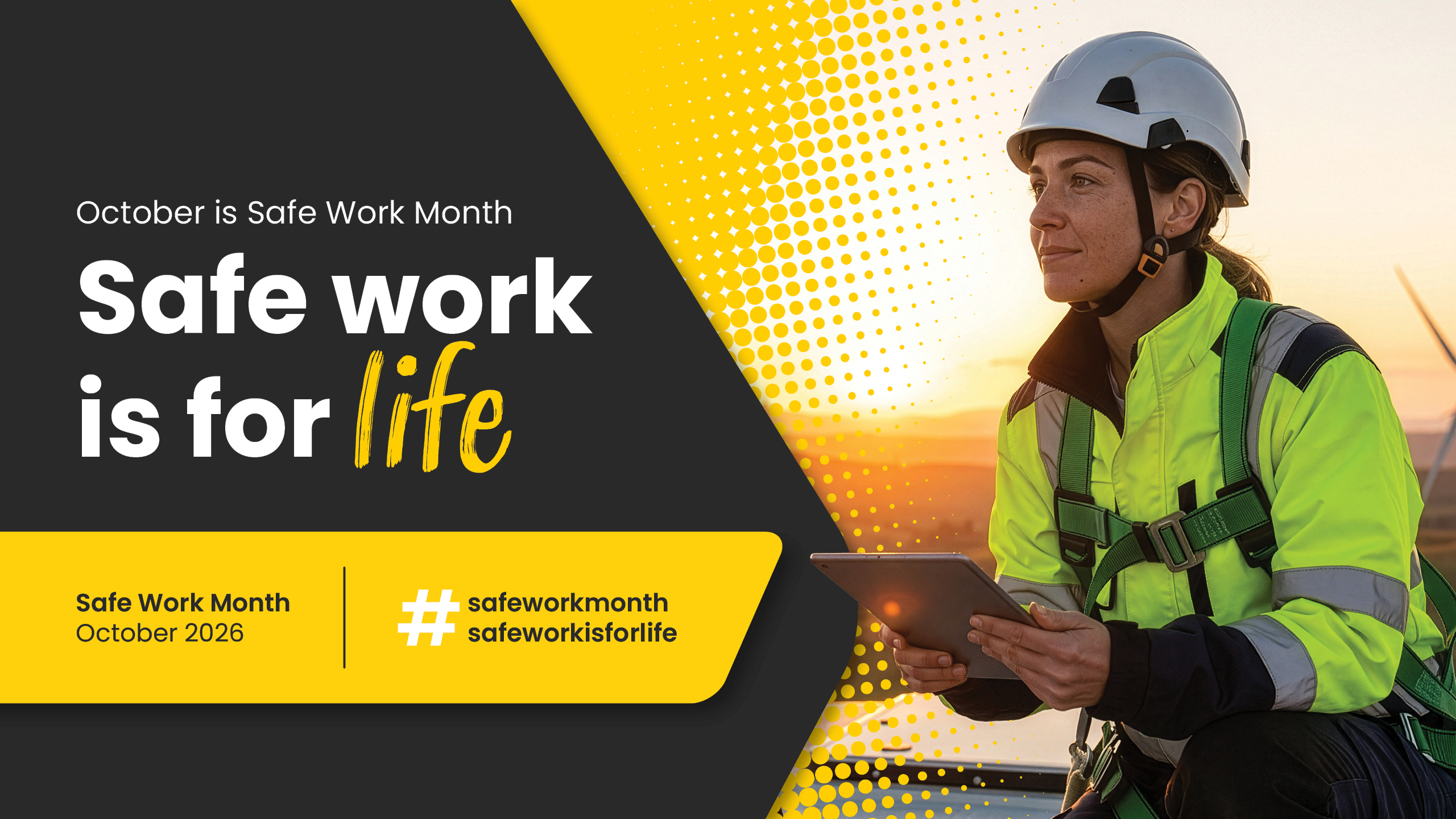
Each October, National Safe Work Month is a chance to raise awareness of work health and safety.
This year’s theme, Safe work is for life, highlights that work health and safety extends beyond preventing harm today—it’s about protecting people’s lives and futures.
If you have workers working in regional and remote areas, you need to provide accommodation for workers while the work is being carried out. An example of such arrangements would be where accommodation is provided to fruit-pickers during the harvesting season, shearers on a sheep station, workers engaged in construction work at a remote location, or rural/farming or fly-in fly-out scenarios.
Work health and safety (WHS) legislation protect all workers in Western Australia, even if you are on a temporary visa. You have a right to a safe, healthy and fair workplace.
In Western Australia, the WHS legislation require that a high standard of safety must be provided at your workplace, and that you are not injured or harmed because of your work. Making workplaces safer relies upon your boss (sometimes called the person conducting a business or undertaking [PCBU]) and you working together.